Let's Talk About Your Project
Why Texas Properties Need Storm-Ready Structures
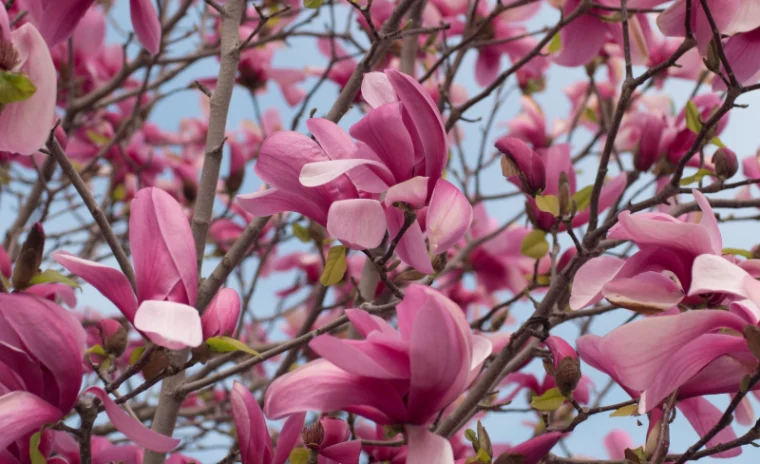
Magnolia trees and Southern heritage in Texas
Magnolia trees hold a special place in the heart of the South, and Texas is no exception. These stately trees, with their glossy evergreen leaves and stunning ivory or pink blossoms, have graced Southern properties for generations, symbolizing dignity, perseverance, and timeless beauty. In Texas specifically, magnolia specimens represent a bridge between the state’s agricultural heritage and its modern residential landscapes. From century-old magnolia trees shading historic homes in Houston’s older neighborhoods to younger specimens anchoring newly developed properties in the Brazos Valley, these trees communicate permanence and pride of place.
The Southern magnolia (Magnolia grandiflora) is the most iconic variety, but property owners across the Bryan-College Station metro and Houston Metro Area also embrace sweetbay magnolias and saucer magnolias for their adaptability and seasonal drama. The cultural resonance runs deep: magnolias bloom in late spring when temperatures soar into the 90s, their fragrant flowers emerging just as Texans prepare for the long, humid summer ahead. That resilience mirrors the qualities property owners look for in everything they build and plant on their land. Just as a magnolia needs the right foundation, proper drainage, and protection from our unpredictable spring storms, a custom metal building designed for Gulf Coast conditions requires the same attention to regional realities. Both represent long-term investments that, when done right, stand strong and beautiful for decades.
Property owners choosing magnolia trees for their landscapes understand the commitment involved. Unlike fast-growing ornamentals that peak in a few years and decline, magnolias mature slowly, developing their full character over 15 to 20 years. That patient investment pays dividends in curb appeal, shade, and the intangible satisfaction of nurturing something built to outlast you. The same philosophy applies when selecting structures for your property. A metal building constructed with proper engineering, quality materials, and regional expertise becomes a generational asset rather than a disposable outbuilding. Whether it’s a barn protecting valuable equipment, a garage sheltering vehicles from hail and sun, or a workshop enabling projects and hobbies, the structure should serve your family as faithfully as the magnolia tree that welcomes you home each day.
The magnolia’s symbolic weight extends beyond aesthetics. In Texas, where property ownership and land stewardship carry deep cultural meaning, planting a magnolia signals your intention to stay, to invest, and to care for a place over the long term. It’s a declaration that this property matters. The same intentionality should guide every major decision you make about your land, from the trees you plant to the buildings you construct. Choosing a family-owned Texas builder who understands clay soil challenges, humidity-resistant construction methods, and storm-rated engineering reflects the same values that lead you to plant a magnolia instead of a disposable ornamental. Both choices honor the land, respect the climate, and prioritize lasting value over short-term convenience.
Across the Brazos Valley and Houston Metro Area, magnolia trees anchor landscapes that blend natural beauty with working functionality. Rural properties in Montgomery County and Grimes County feature mature magnolias standing sentinel near barns and workshops, their branches arching over gravel driveways and shading equipment yards. Suburban lots in College Station and Sugar Land use magnolias as focal points that soften the edges of driveways, carports, and detached garages, creating visual harmony between built structures and natural elements. These aren’t accidental pairings. Thoughtful property owners recognize that magnolias and well-designed metal buildings share essential qualities: both provide shelter, both improve with age when properly maintained, and both withstand the temperature extremes, humidity, and storm exposure that define life along the Gulf Coast. The magnolia survives because its root system adapts to our soils and its waxy leaves resist moisture loss during summer droughts. Quality metal buildings survive because their engineered foundations, corrosion-resistant materials, and reinforced framing adapt to the same environmental pressures.
Texas Climate and Soil Considerations
Not all magnolias are created equal when it comes to thriving in the Brazos Valley’s heavy clay soil, high summer humidity, and intense heat. The Southern magnolia (Magnolia grandiflora) is the workhorse of Texas landscapes, tolerating our alkaline clay soils better than many ornamentals and providing year-round structure with its evergreen canopy. Varieties like ‘Bracken’s Brown Beauty’ and ‘Little Gem’ perform especially well in our region, offering compact growth habits that fit smaller suburban lots in College Station and Navasota while still delivering those classic creamy-white blooms from May through June.
Sweetbay magnolia (Magnolia virginiana) is another excellent choice for lower-lying areas or properties with seasonal drainage challenges. This semi-evergreen variety tolerates wet feet better than its grandiflora cousin and brings a lighter, more graceful form to the landscape. For those seeking spring drama, saucer magnolias (Magnolia × soulangeana) explode with pink and white cup-shaped flowers in March and April, though their early bloom can occasionally fall victim to a late freeze. Successful magnolia cultivation in our region starts with understanding your soil’s drainage pattern and pH. Most Brazos Valley properties sit on heavy clay with a pH hovering between 7.5 and 8.5, which means amending the planting hole with sulfur and compost is essential for long-term health. The same site-specific knowledge matters when planning a custom metal building. Clay soil expands and contracts with moisture, which is why experienced builders pour proper concrete pads with rebar reinforcement and moisture barriers, not generic slabs that crack and heave after the first wet winter.
Protecting What Matters on Your Property
Magnolias planted in the Brazos Valley and Houston Metro Area face a unique set of seasonal challenges that require proactive care. Spring brings our heaviest rains and the risk of late-season thunderstorms with straight-line winds, which can snap branches on young or improperly staked trees. Mulching with 3 to 4 inches of hardwood mulch in late winter helps moderate soil temperature swings and conserve moisture as we transition into our brutal summer heat. By June, temperatures routinely hit the upper 90s with heat indices well over 100 degrees, and even established magnolias benefit from deep watering every 10 to 14 days if rainfall is scarce. Drip irrigation or soaker hoses work better than overhead sprinklers, which can promote fungal issues in our humid climate.
Pests are another reality. Magnolia scale insects thrive in Gulf Coast humidity and can weaken trees if left unchecked; a dormant oil spray in late winter, before new growth emerges, keeps populations manageable. Algal leaf spot, a cosmetic but unsightly issue, appears as circular gray-green spots on older leaves during wet springs and is best managed by raking and disposing of fallen foliage. Storm damage is inevitable over a magnolia’s lifespan. After severe weather, prune broken branches cleanly to prevent disease entry, and resist the urge to over-prune; magnolias compartmentalize wounds slowly. The same weather that tests your trees tests every structure on your property. Metal buildings engineered with proper wind ratings, quality fasteners, and engineered trusses handle the same spring squalls and summer storms without the rot, warp, or pest vulnerabilities that plague wood-frame outbuildings. A well-built barn or garage weathers decades of Texas conditions just as a well-tended magnolia does: with the right foundation and materials chosen for the climate, not against it.
Integrating Magnolias with Metal Buildings and Outdoor Spaces
Thoughtful landscape design integrates the beauty of magnolia trees with the practical structures that make a property functional. On rural acreages around Richards, Iola, and Madisonville, property owners often plant magnolias along fence lines or near the entrance to a barn or workshop, creating a welcoming canopy that softens the utilitarian lines of metal buildings. In suburban settings closer to Bryan, College Station, and the Houston Metro Area, magnolias work beautifully as focal points near driveways, where a custom carport or detached garage can be positioned to complement the tree’s mature canopy rather than compete with it. The key is planning for scale and growth: a Southern magnolia can reach 60 feet tall and 40 feet wide at maturity, so positioning structures 20 to 30 feet away prevents future root conflicts and allows both tree and building to shine.
Consider the flow of your property. A magnolia planted near the corner of a metal workshop provides afternoon shade for the building’s west-facing wall, reducing interior heat buildup during summer months. A pair of smaller magnolia varieties flanking the approach to a custom garage adds curb appeal while framing the structure as an intentional design element, not an afterthought. Concrete pads for metal buildings also create clean, defined edges that contrast beautifully with the organic forms of magnolia foliage and mulched planting beds. When planning new construction, work with a metal construction company that understands site layout and drainage so that runoff from your building’s roof doesn’t pool around tree roots or create erosion issues. Quality builders coordinate concrete placement, grading, and drainage to protect both your structures and your landscaping investments, ensuring everything works together for the long haul.
Choosing Builders Who Understand Texas Landscapes and Structures
The best results come from working with builders who understand both the technical requirements and the regional conditions that make Texas unique. B2 Buildings brings decades of hands-on experience designing and installing metal structures throughout the Brazos Valley and Houston Metro Area, where heat, humidity, and seasonal storms demand superior engineering.
From initial site assessment through final installation, the team handles every detail including concrete pad preparation, custom design using 3-D modeling tools, and professional installation by crews who know Texas soil and weather patterns. Whether you need a climate-controlled workshop, a secure equipment barn, or a custom garage that complements your property’s natural beauty, B2 Buildings delivers structures built to protect your investment for decades.
Family-owned since 1999, B2 Buildings specializes in both tubular frame and red iron steel construction, offering the flexibility to match your budget and performance requirements. With flexible financing options and a commitment to quality craftsmanship, creating the perfect metal building for your Texas property is straightforward and stress-free.